




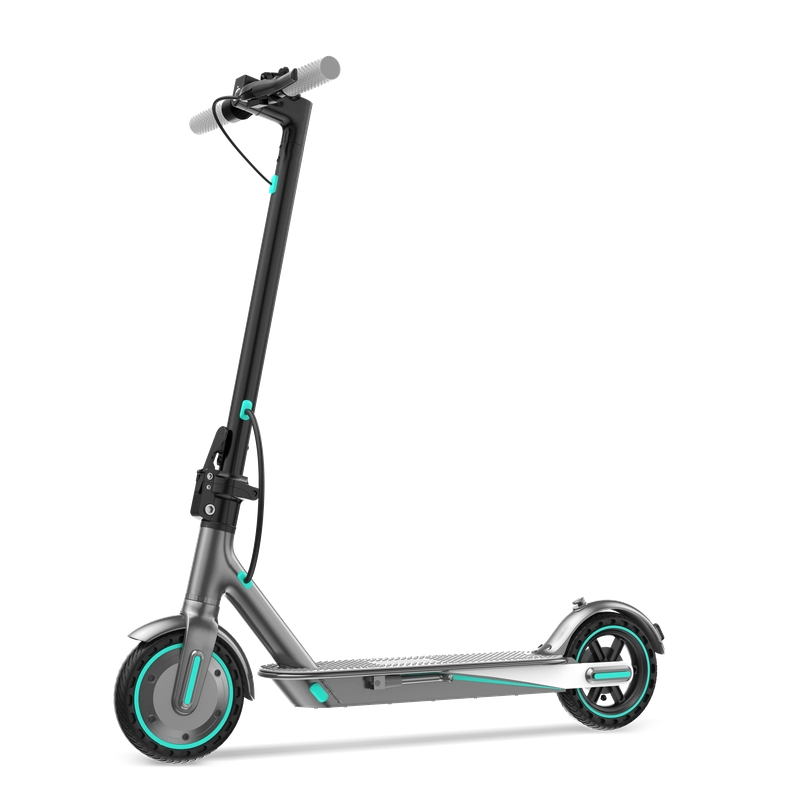
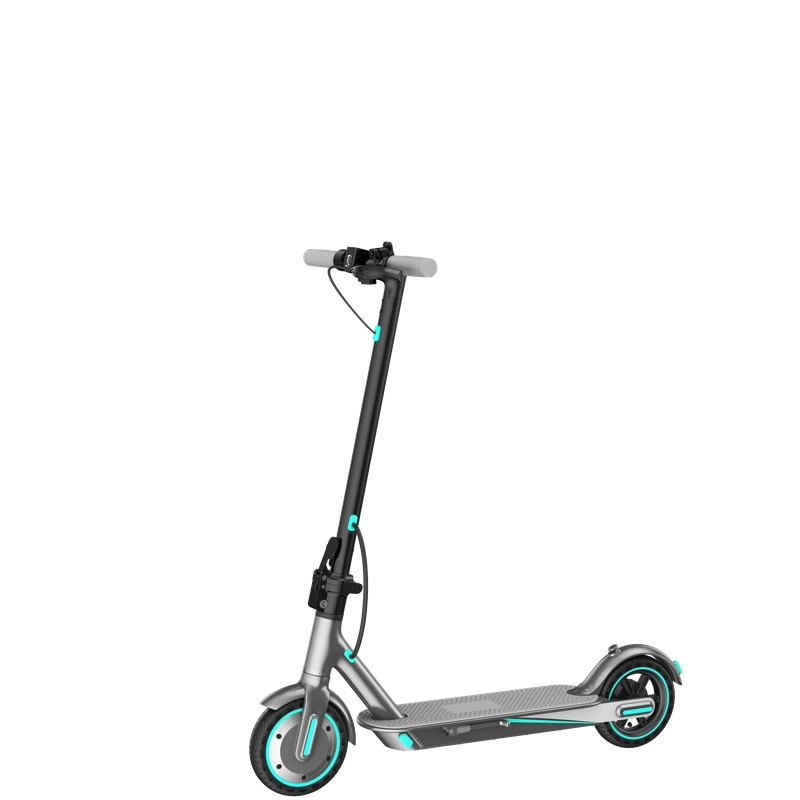
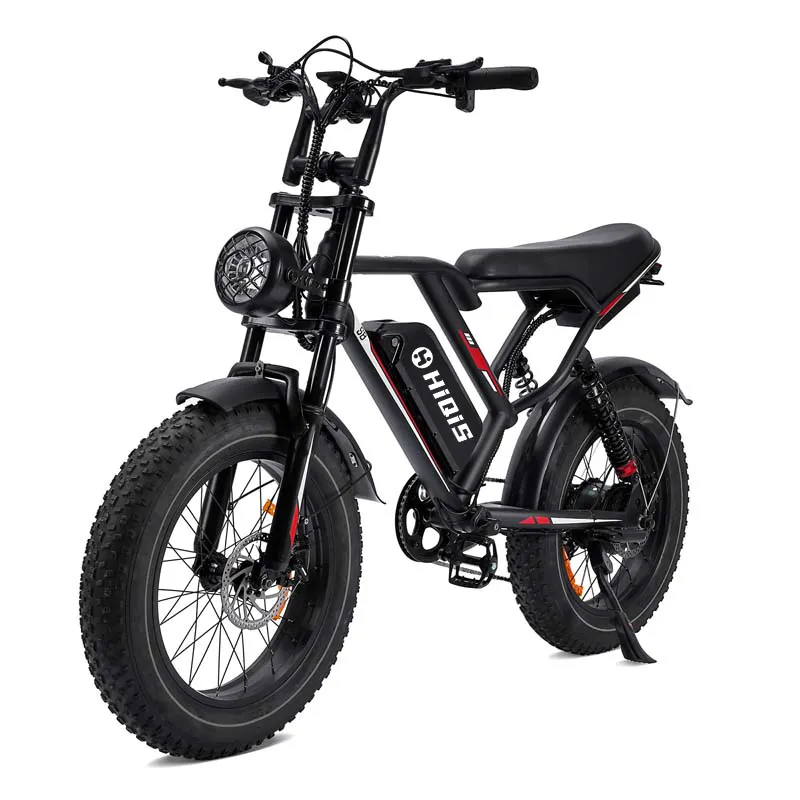
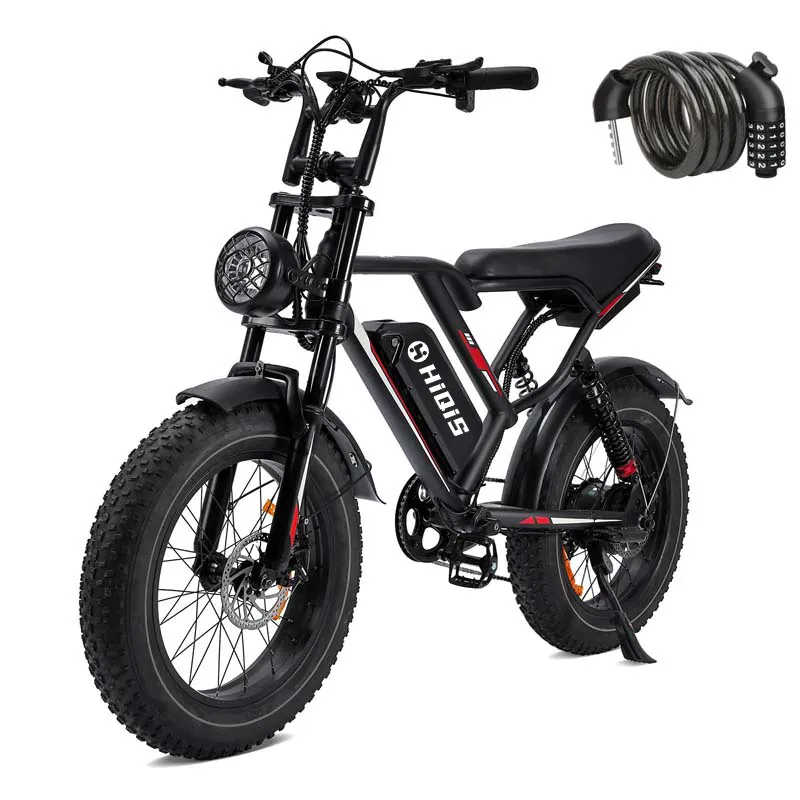
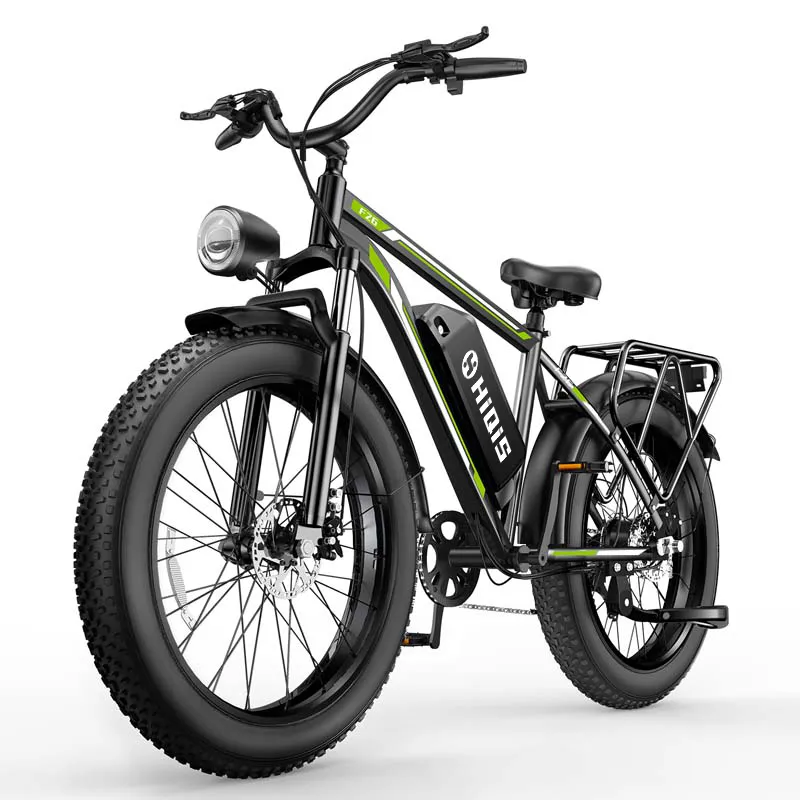
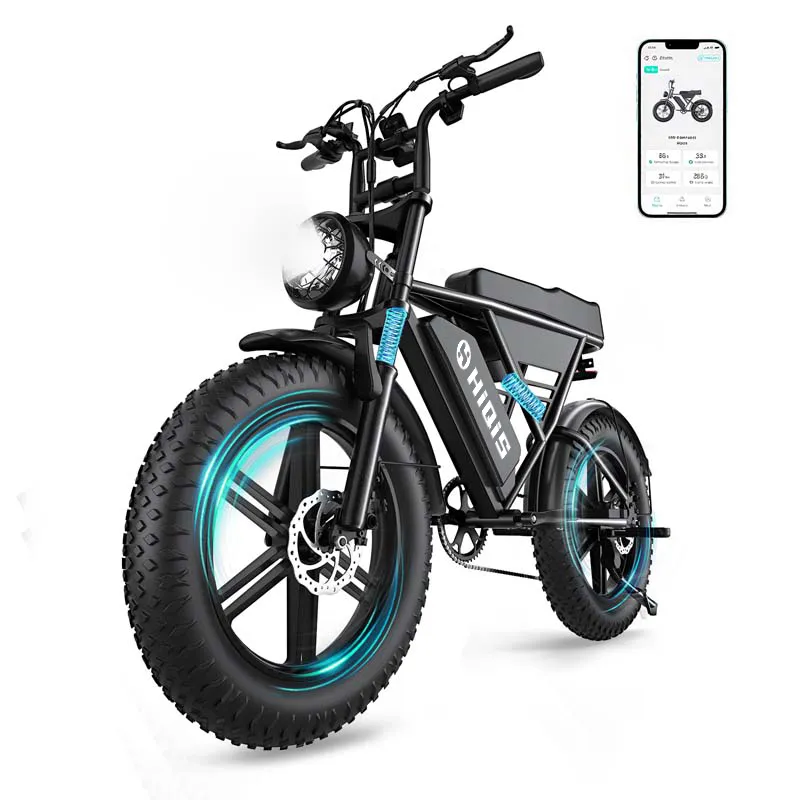
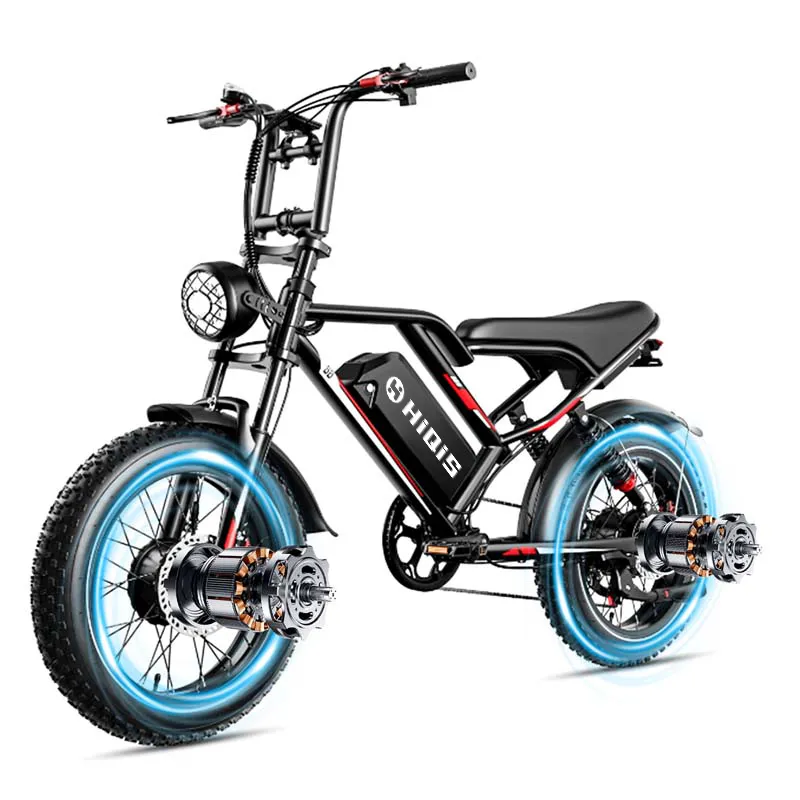
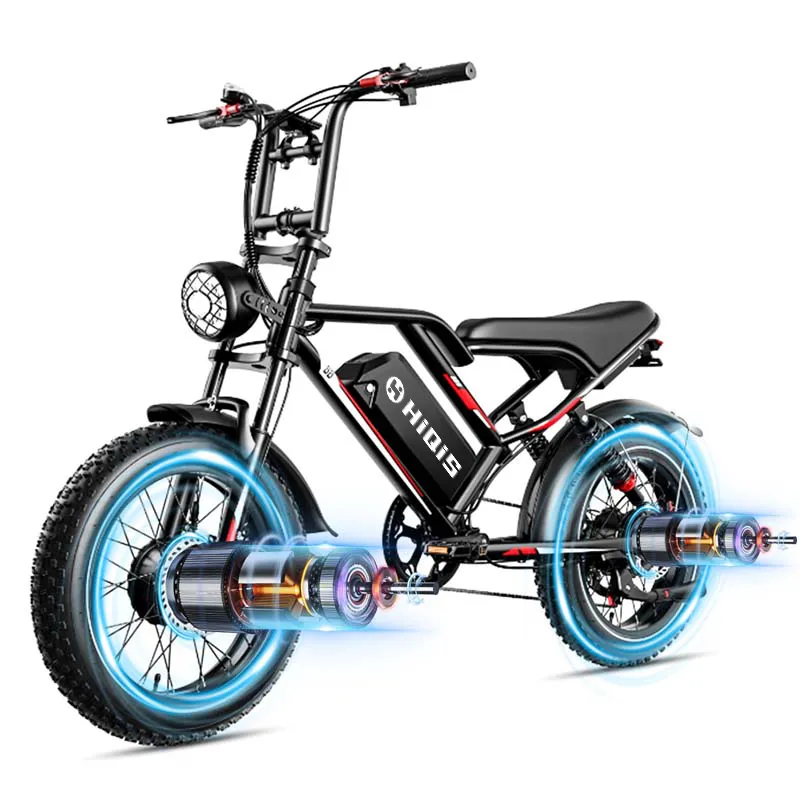
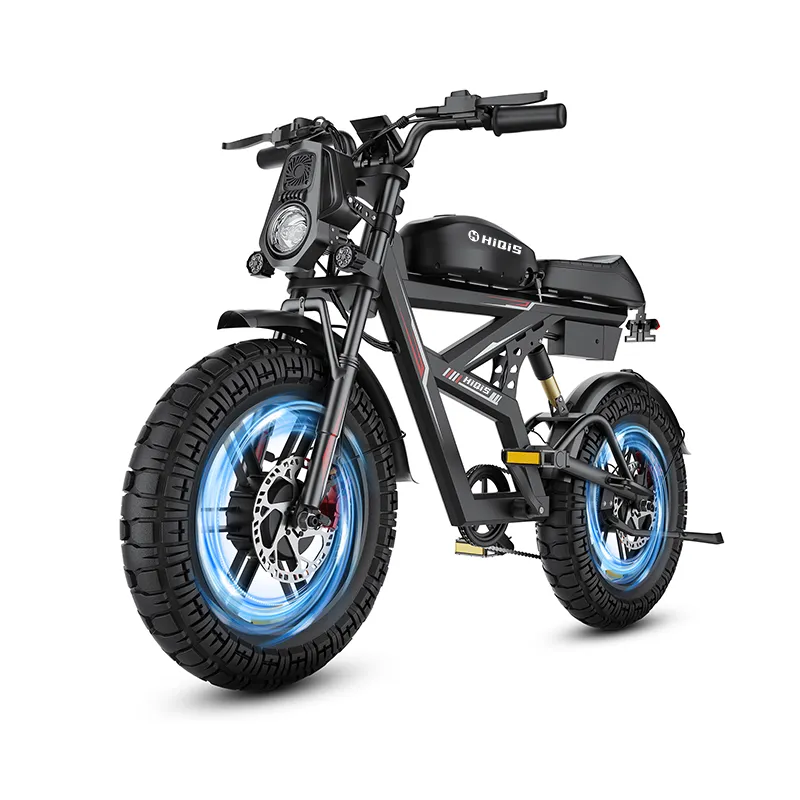
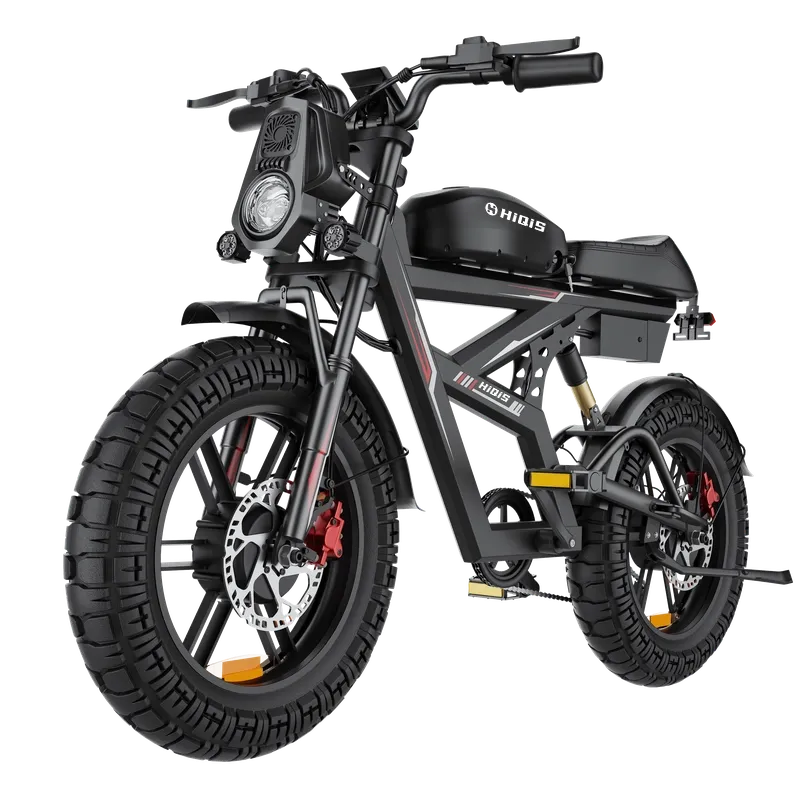


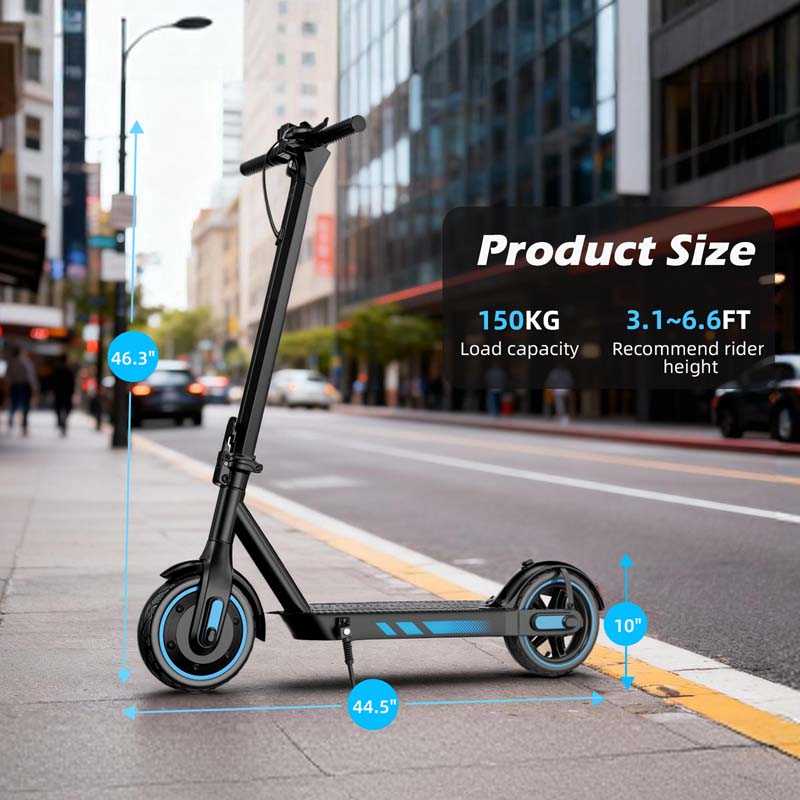
Choosing between an electric scooter vs electric bike can be challenging. Both offer eco-friendly transportation, but their design, speed, range, and portability differ significantly. Understanding these differences helps you pick the right ride for your lifestyle.
Whether you commute in the city, enjoy weekend rides, or need a flexible transport option, this comparison will clarify which one suits your needs best.
1. Portability and Storage
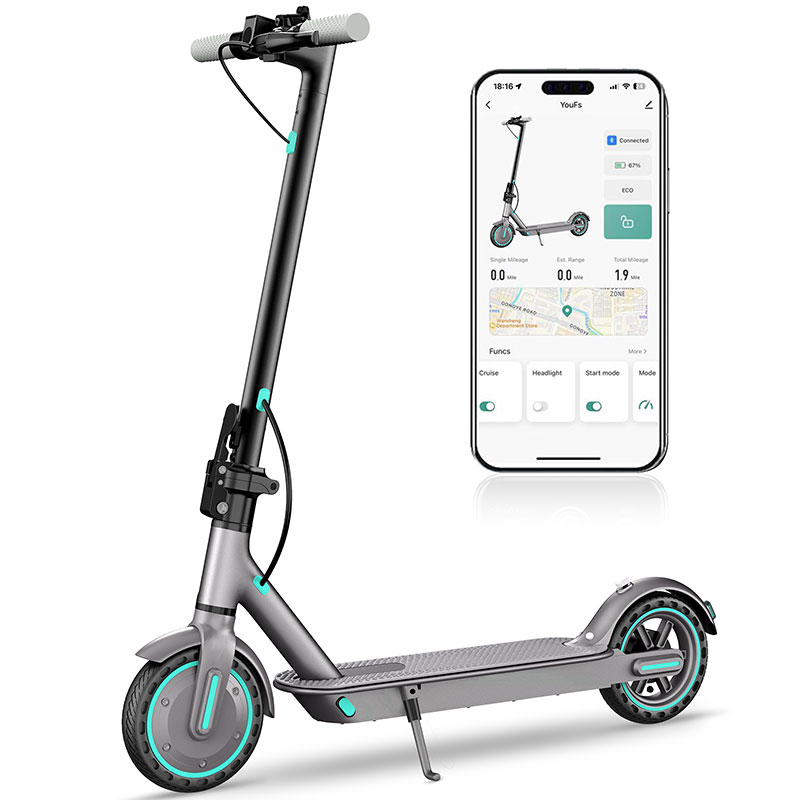
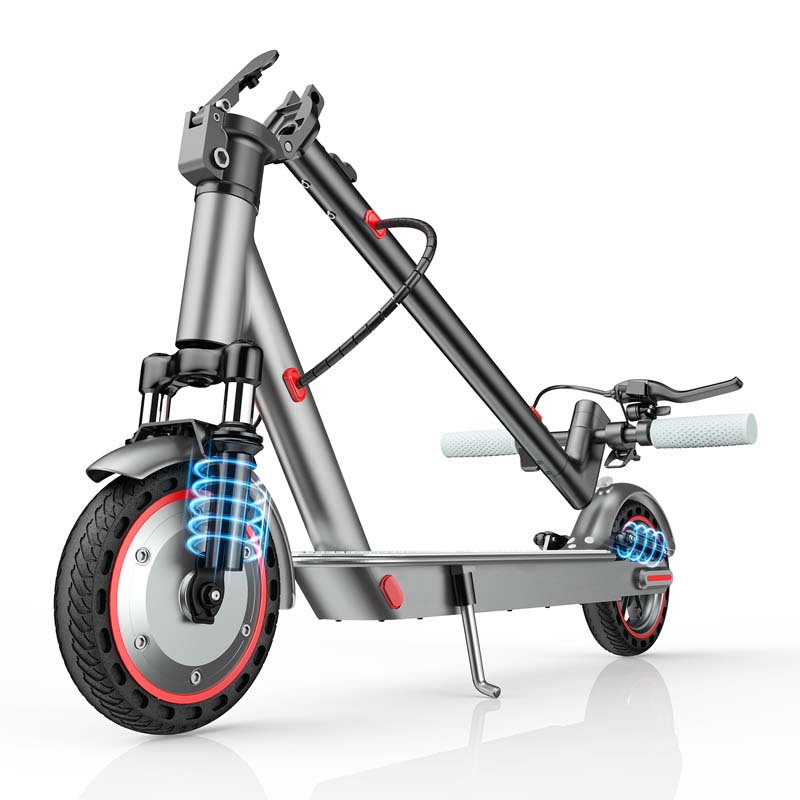
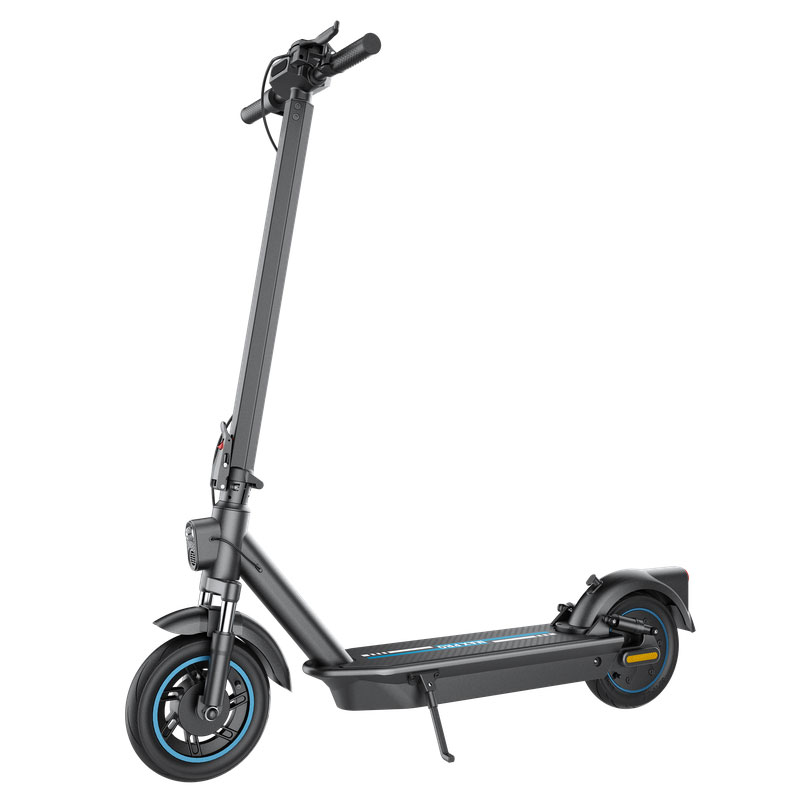
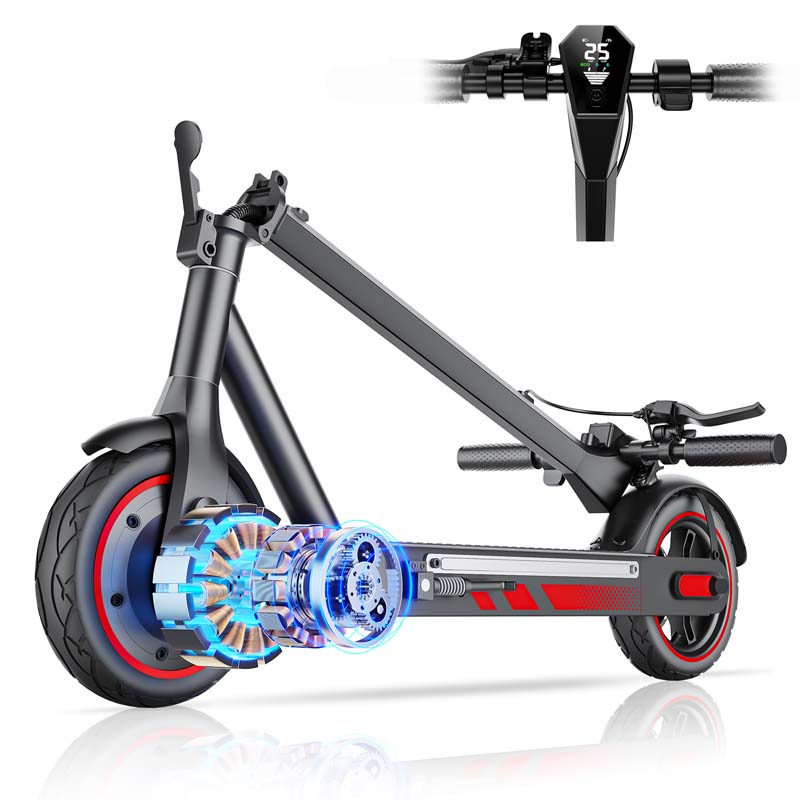
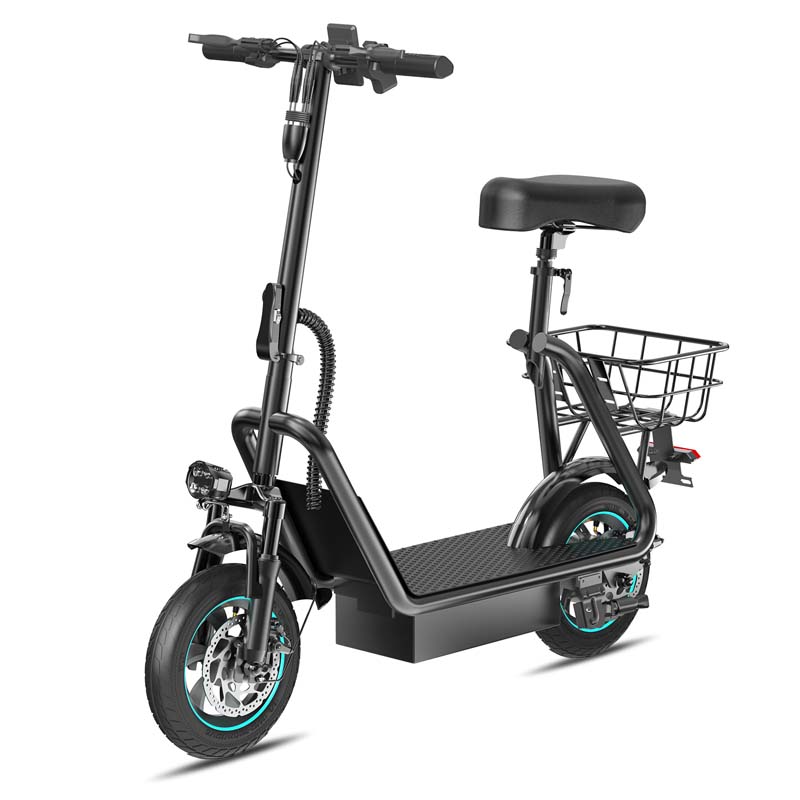
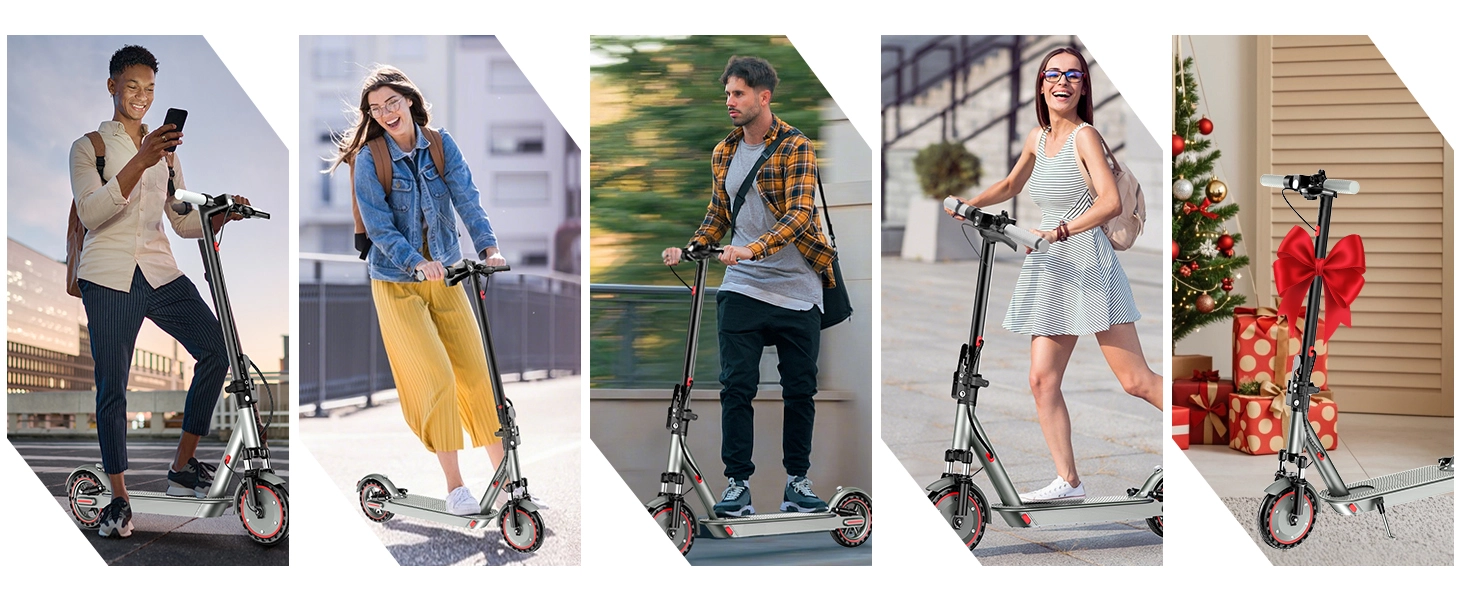
Electric scooters are usually lighter and more compact than electric bikes. As a result, you can fold or carry them easily, store them under a desk, or take them on public transport.
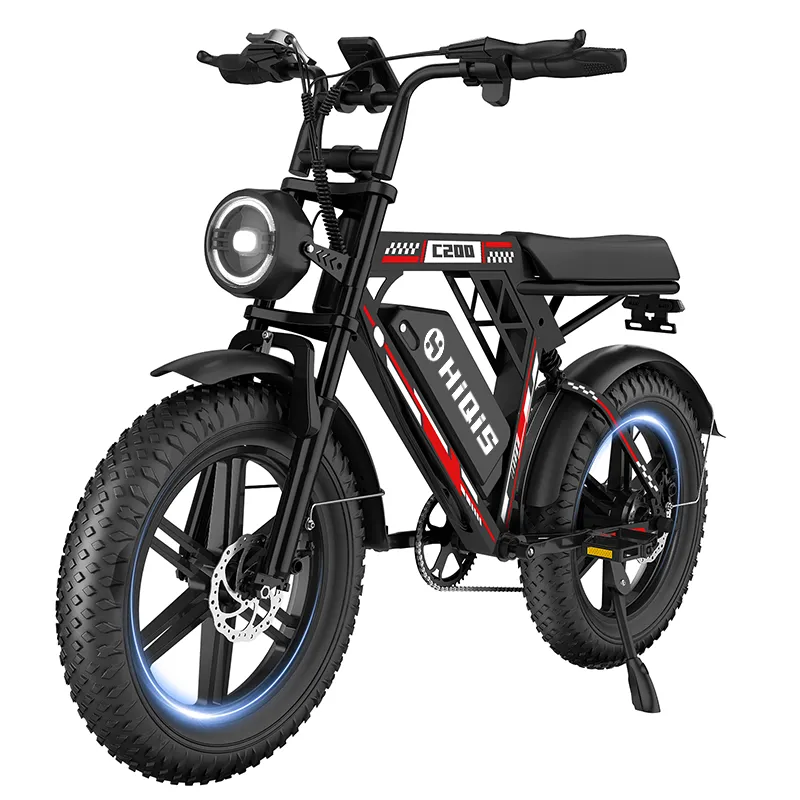
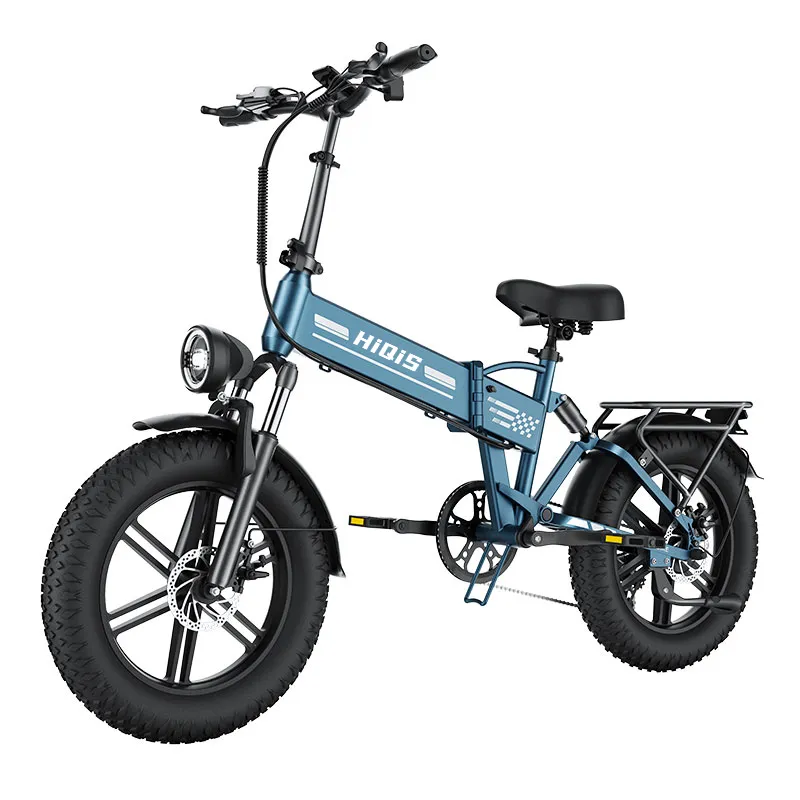
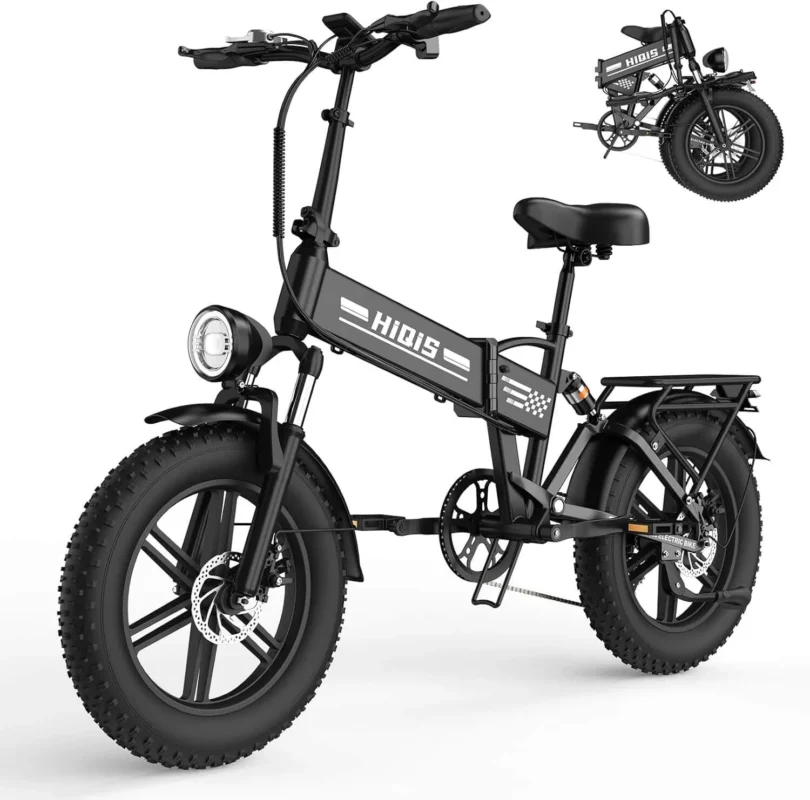
On the other hand, electric bikes are larger, but some folding e-bike models offer similar portability while providing a more comfortable ride for longer distances.
2. Speed and Performance
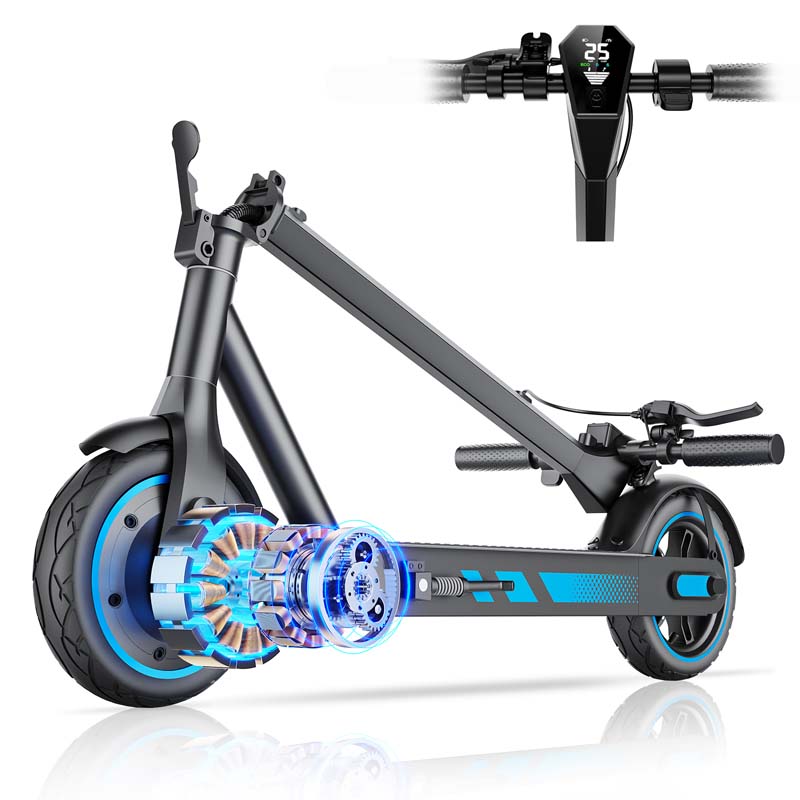
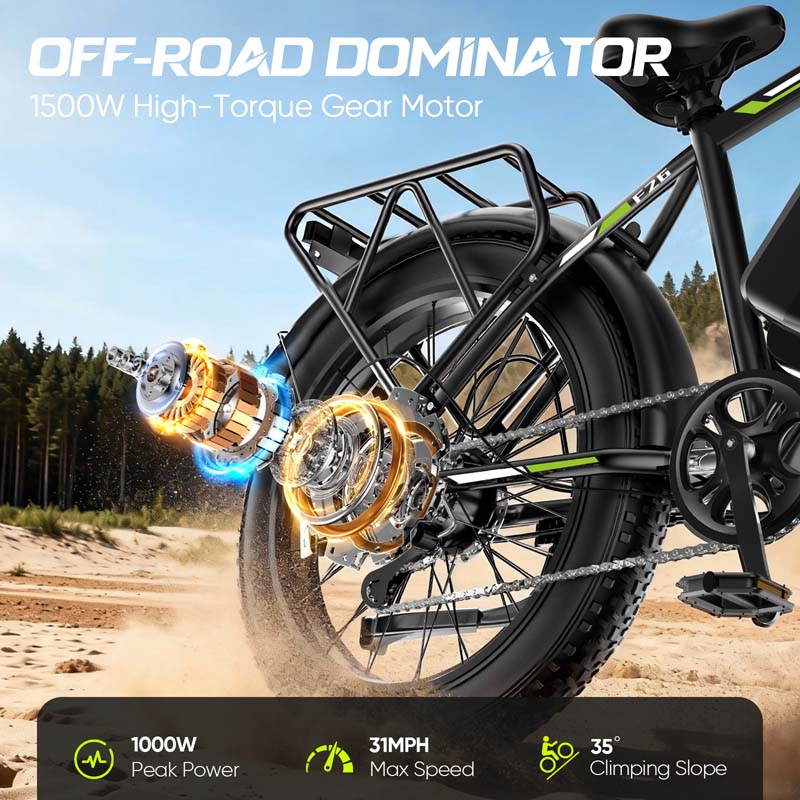
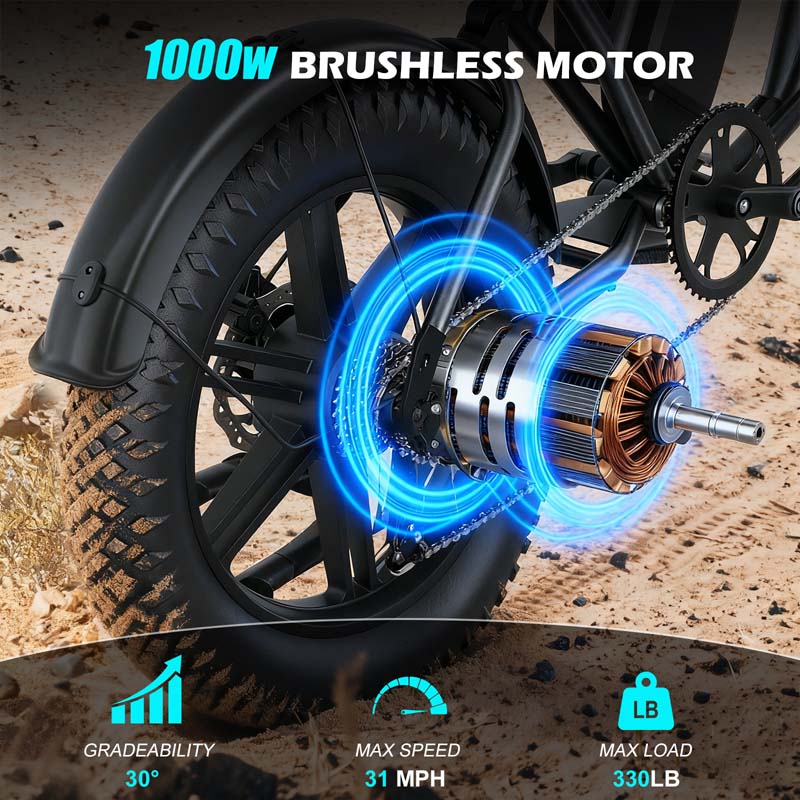
Electric bikes typically provide higher speeds and more torque than scooters. For example, most e-bikes can reach 20–28 mph, while scooters usually max out around 15–20 mph. In addition, electric bikes handle hills and rough terrain better, thanks to their wider tires and pedal assist systems.
3. Range and Battery Life
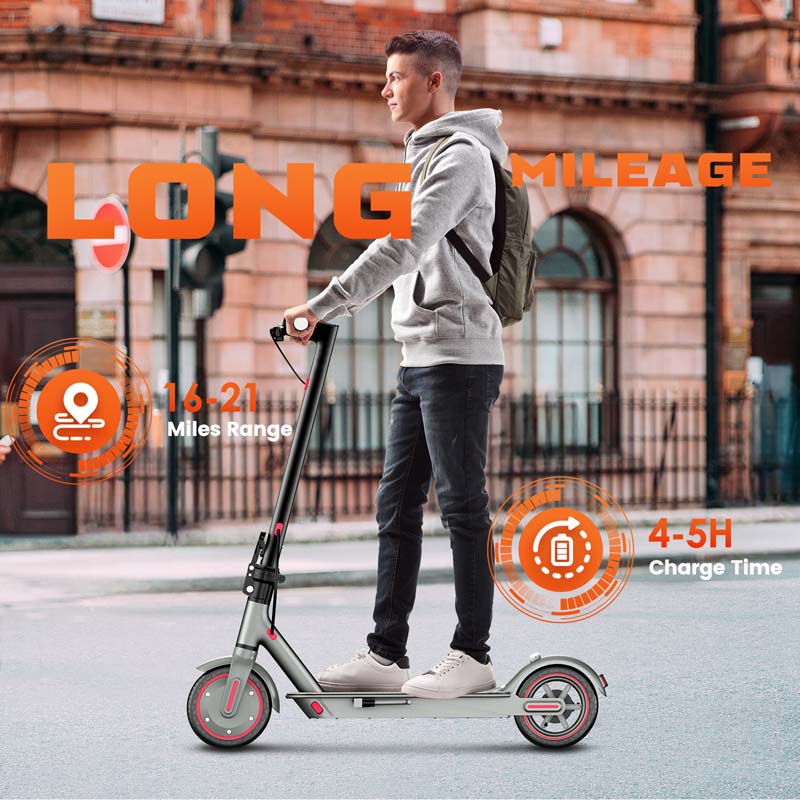
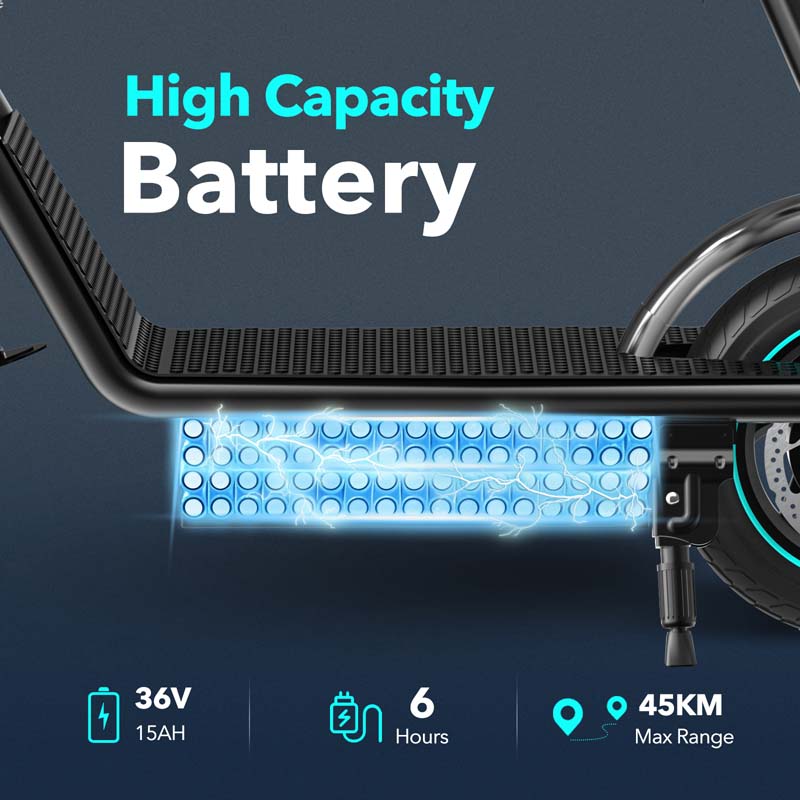
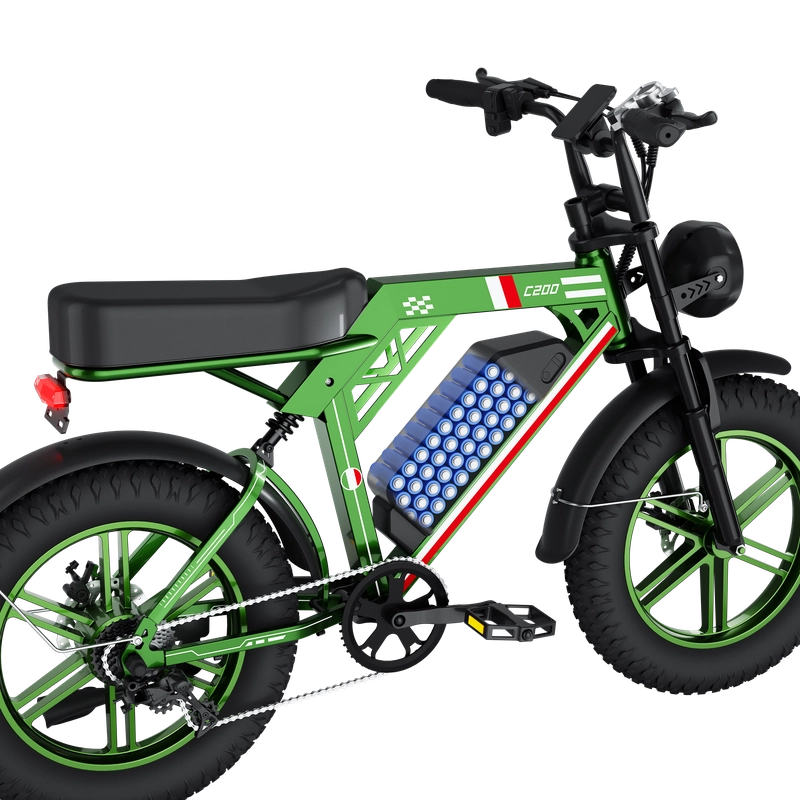
Electric bikes generally have larger batteries and can travel farther on a single charge. For instance, many e-bikes offer 30–60 miles per charge, while scooters often range between 15–25 miles. Therefore, if long-distance commuting is your priority, an electric bike may be a better choice.
4. Comfort and Riding Experience
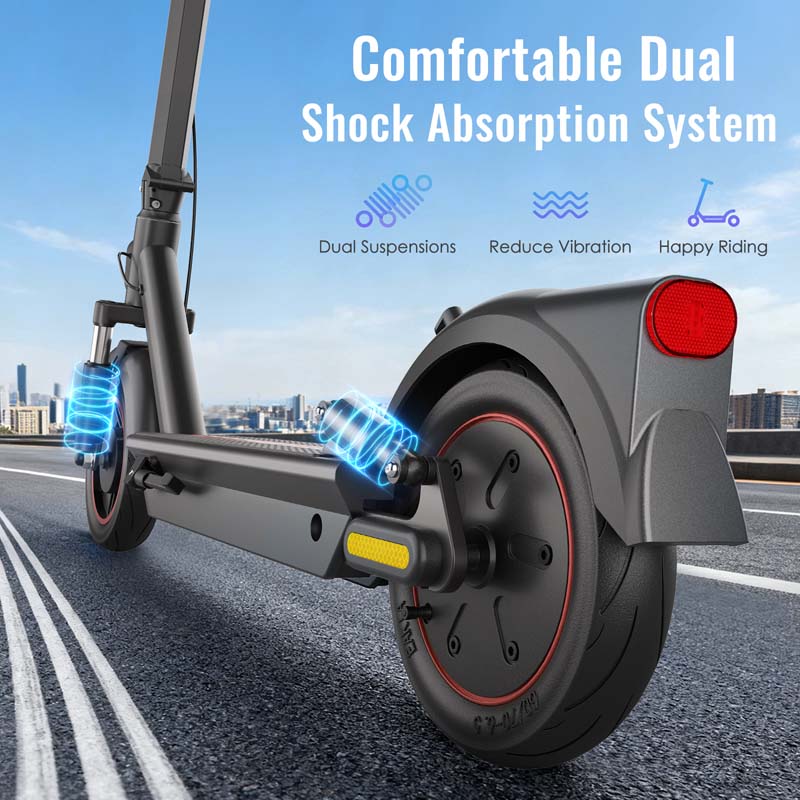
Electric bikes provide a more comfortable ride for longer trips because of their larger wheels, suspension systems, and ergonomic seating. In contrast, scooters are best for short urban commutes and quick errands.
5. Cost Comparison
Electric scooters are usually less expensive upfront, making them attractive for budget-conscious riders. However, e-bikes often offer better value for longer commutes and rougher terrain, thanks to their durability and performance.
6. Legal Requirements
Depending on your region, electric bikes and scooters may have different legal requirements. For example, e-bikes often have limits on motor power and speed to avoid needing a license or registration. Meanwhile, scooters may have age restrictions or helmet laws.
Conclusion
So, should you choose an electric scooter vs electric bike? It depends on your priorities:
- Choose a scooter if you want compact portability, short urban trips, and budget-friendly options.
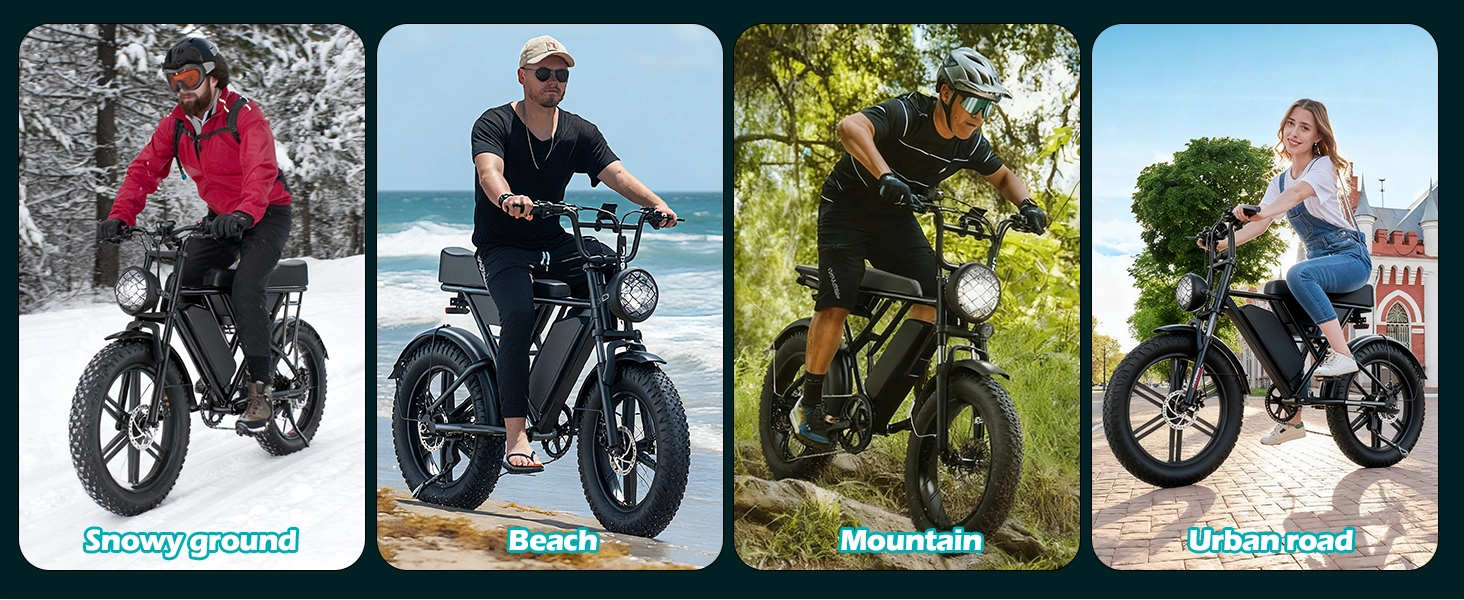
- Choose an electric bike if you prioritize speed, long-distance commuting, comfort, and off-road capability.
Ultimately, both are eco-friendly and convenient alternatives to cars, but knowing your commuting style and terrain helps you make the best choice.
Frequently Asked Questions
Can I ride an electric scooter as far as an e-bike?
No. Electric scooters typically have shorter ranges than e-bikes, making them better for short trips.
Which is faster: an electric scooter or electric bike?
Electric bikes are usually faster, especially on hills or rough terrain.
Are scooters cheaper than e-bikes?
Yes. Scooters are generally less expensive upfront, but e-bikes offer better long-term value for longer rides.
Do I need a license for an electric scooter or e-bike?
Legal requirements vary by region. Typically, low-speed e-bikes and scooters do not require a license, but higher-powered models might.